Anti-Bullying Martial Arts
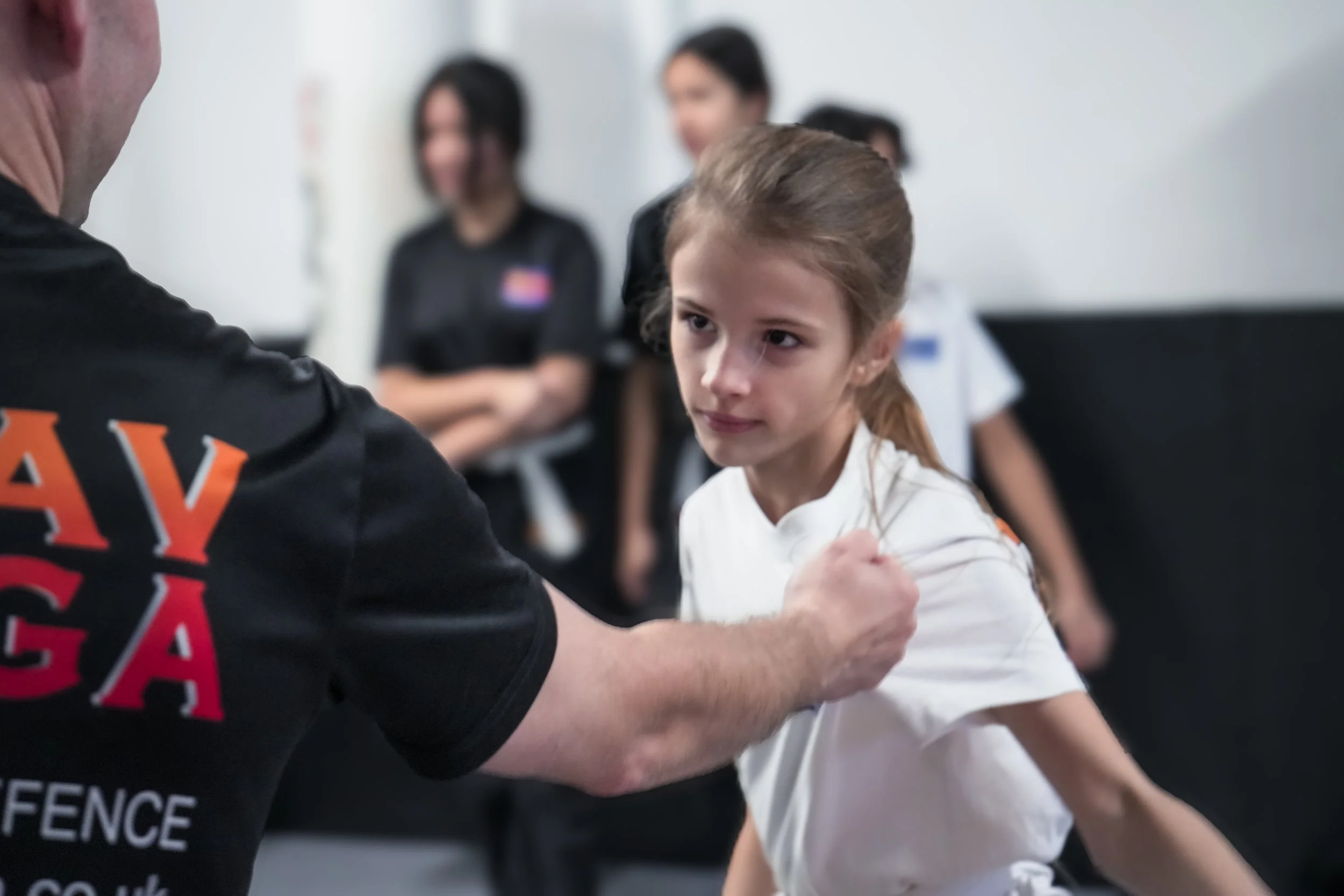
Anti-Bullying Martial Arts for Kids in Bracknell — Confidence Without Conflict
123 Kids Martial Arts teaches anti-bullying skills through awareness, confidence, and de-escalation rather than aggression.
If you've been searching for children's martial arts programmes near you that teach anti-bullying skills without encouraging violence, you're asking exactly the right question. Many parents worry that enrolling their child in a martial arts or self-defence class might teach them to be more aggressive, not less. At 123 Kids Martial Arts in Bracknell, the opposite is true — our anti-bullying programme is built around confidence, awareness, and calm decision-making, not fighting.
Our kids' classes, designed for ages 6–9 and 10–13, use a structured Krav Maga Programme to teach children how to recognise bullying, respond assertively, and protect themselves physically only as an absolute last resort. Every lesson is grounded in real-world situations children actually face — at school, in the playground, and online — rather than combat sport techniques that have little relevance to their daily lives. Below, we'll explain exactly how this works, what your child will learn, and why so many local families trust us with this important part of their child's development.
What Does "Anti-Bullying" Really Mean in Kids' Martial Arts?
There's an important difference between martial arts training that genuinely reduces bullying and training that simply teaches children to fight. Genuine anti-bullying education focuses on prevention first: helping a child recognise early warning signs, understand their own emotional responses, and use verbal and behavioural tools to defuse a situation before it ever becomes physical. Physical technique is only ever the final layer of a much bigger skill set.
Unfortunately, some martial arts programmes lean heavily on competition, sparring, and physical dominance as the primary measure of progress. This can inadvertently send the message that strength and aggression are the answer to conflict — which is precisely what worried parents want to avoid. A true anti-bullying approach instead teaches children that walking away, speaking up, and staying calm under pressure are signs of far greater strength than throwing a punch.
At 123 Kids Martial Arts, anti-bullying isn't a side topic bolted onto a standard martial arts class — it's woven into the entire curriculum. Children learn to understand the psychology behind bullying, build the confidence to set boundaries, and only then are taught physical self-defence skills, always framed as a protective last resort rather than a first response.
How 123 Kids Martial Arts Builds Confidence Without Encouraging Violence
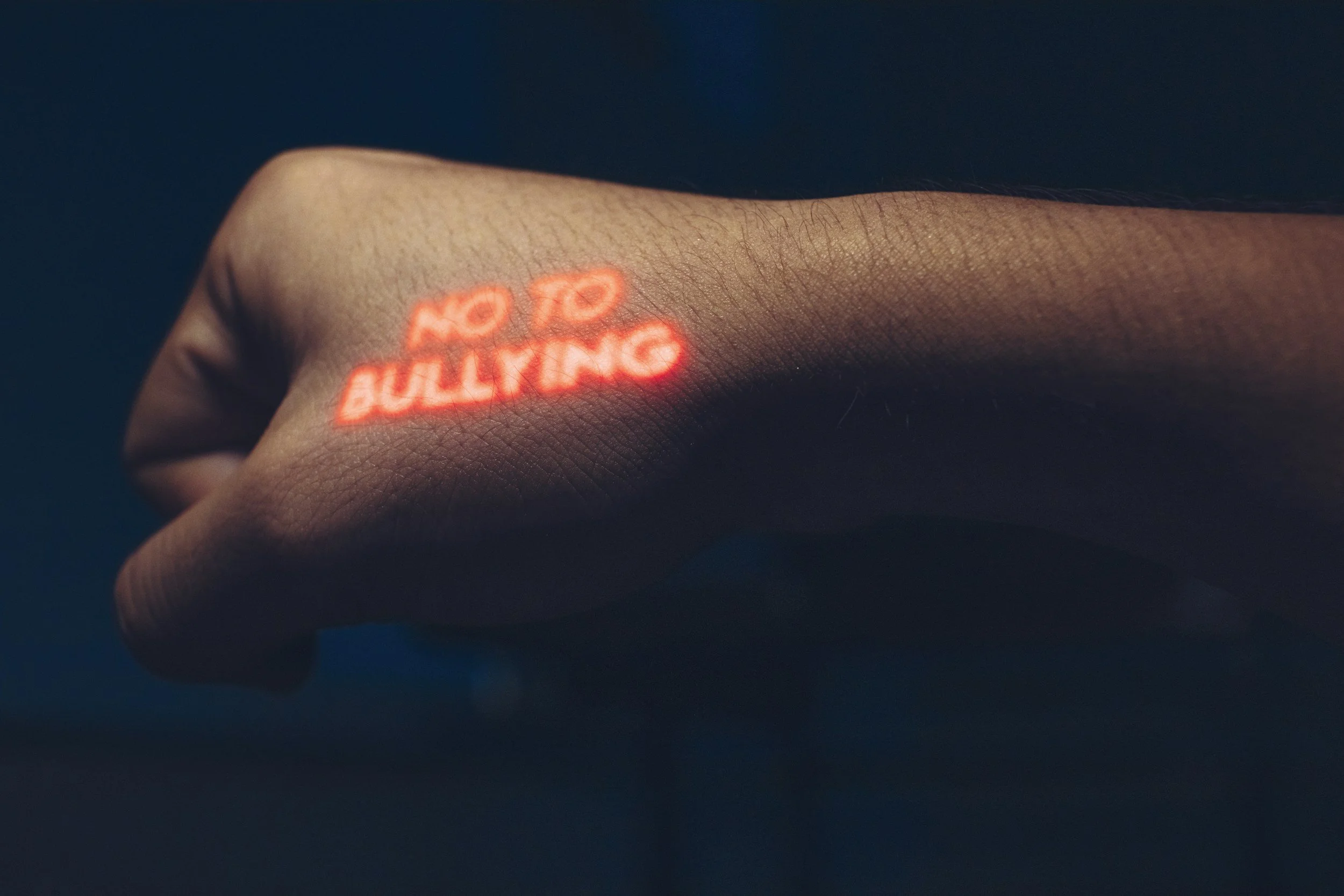
Our Krav Maga Programme is built on a simple principle: real self-defence starts with the mind, not the fists. Children are taught to assess a situation, recognise risk, and make quick, calm decisions under pressure — the same core skills used in adult Krav Maga training, adapted to a child's world. This isn't about learning flashy moves; it's about learning how to think clearly when something feels wrong.
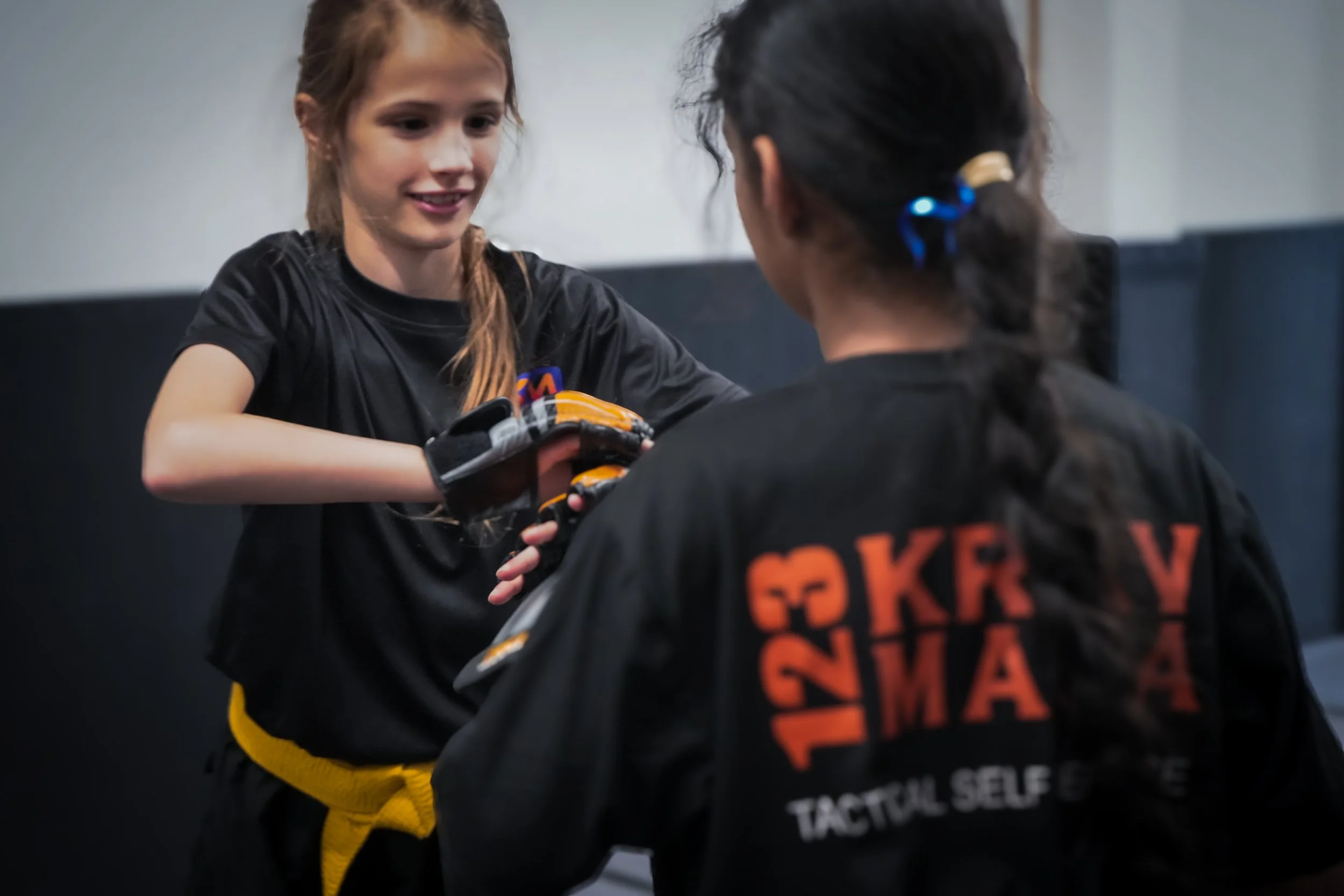
A large part of every lesson focuses on verbal de-escalation and assertive communication. Children practise using confident body language, a firm voice, and clear boundary-setting phrases that can stop a bullying situation before it escalates. Our instructors role-play realistic scenarios — a classmate taking their things, someone speaking to them unkindly, a group excluding them — so children can rehearse calm, confident responses in a safe, supportive environment before they ever need to use them in real life.
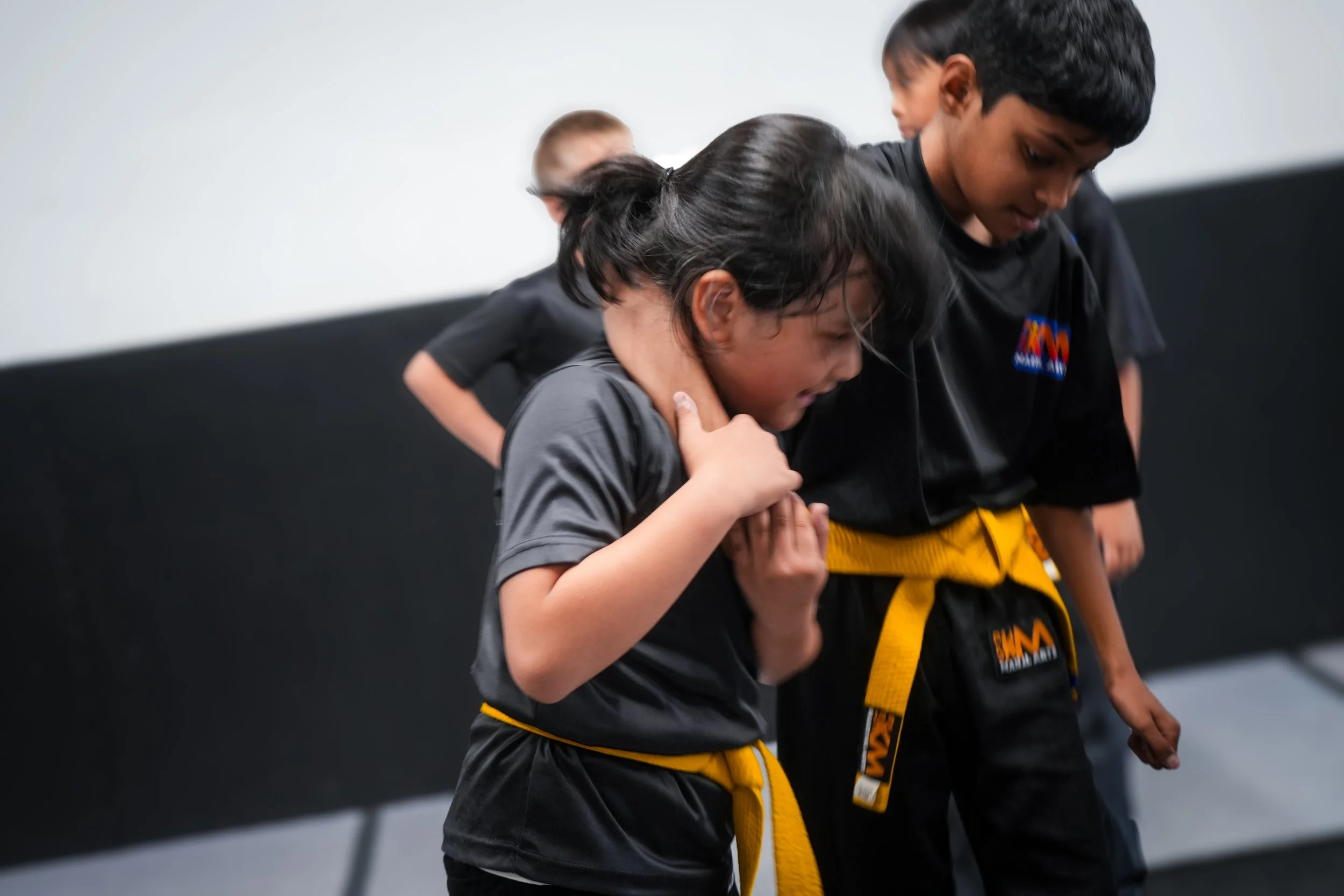
Physical self-defence is taught last, and always in context. Children learn that physical technique exists purely to create space and get to safety — never to "win" a fight or retaliate. This sequencing is deliberate and central to our teaching philosophy: awareness first, communication second, and physical skills only when absolutely necessary. It's an approach that consistently reassures parents who were initially hesitant about martial arts training for their child.
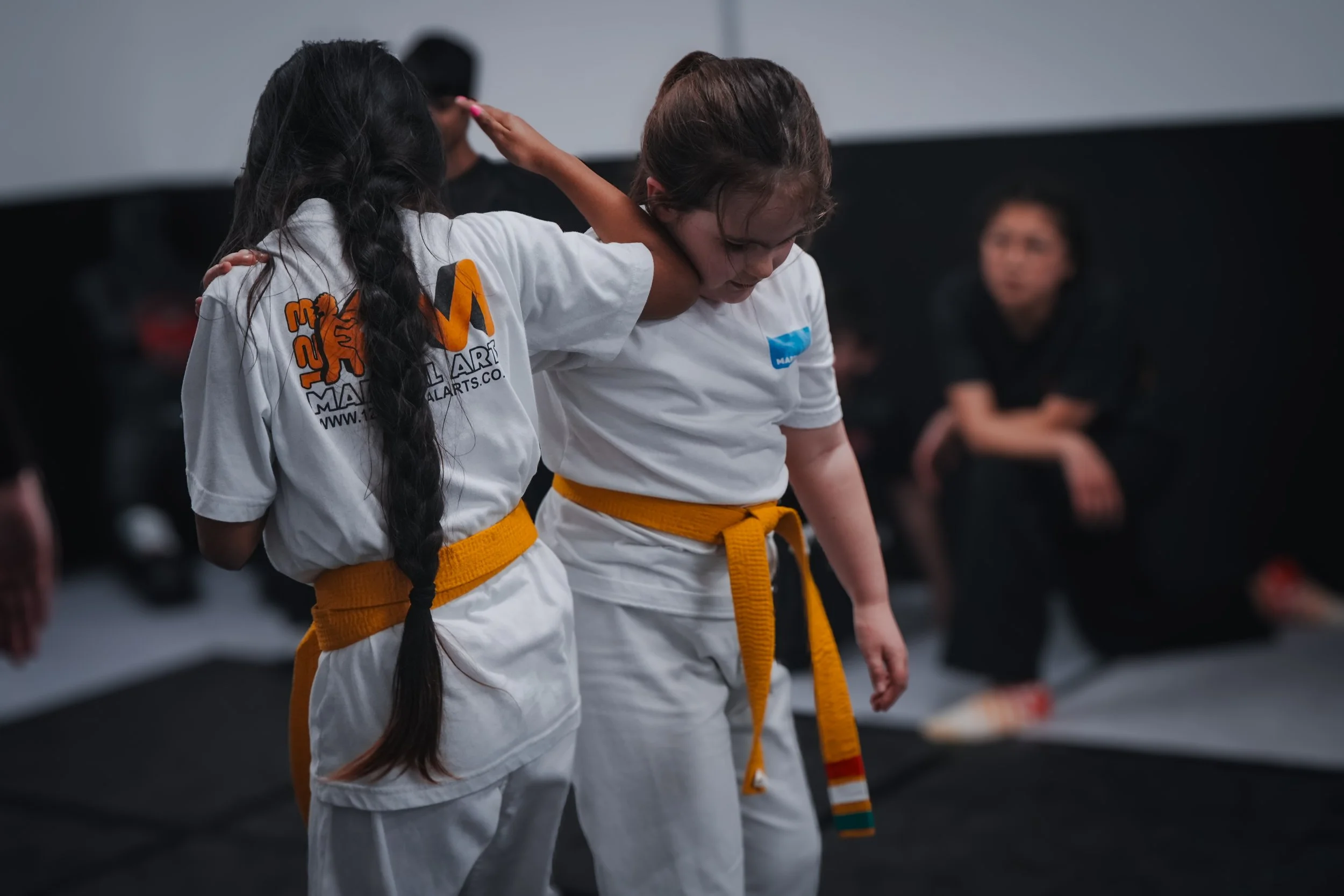
Age-Appropriate Training for Ages 6–9 and 10–13
Bullying looks different at age seven than it does at age twelve, which is why our Krav Maga Programme is split into two age-specific groups rather than a one-size-fits-all class. For children aged 6–9, sessions focus on foundational concepts: recognising unkind behaviour, understanding the difference between "asking" and "telling," and building basic confidence through games, movement, and simple, repeatable phrases they can use if a situation feels wrong.
For the 10–13 age group, the programme goes deeper into the social complexity that comes with pre-teen and early teenage years — including group dynamics, peer pressure, and the growing influence of online interactions and social media. Older children practise more nuanced scenarios, such as standing up for a friend, handling exclusion, or de-escalating a tense confrontation with a peer, alongside more developed physical self-defence techniques appropriate to their age and size.
This age-banded structure means every child is learning material that's genuinely relevant to what they're experiencing day to day, rather than generic content that doesn't reflect their real challenges. It also allows our instructors to build a stronger rapport with each group, creating the kind of trusted, no-ego environment where children feel comfortable asking questions and practising openly.
Key Anti-Bullying Skills Your Child Will Learn
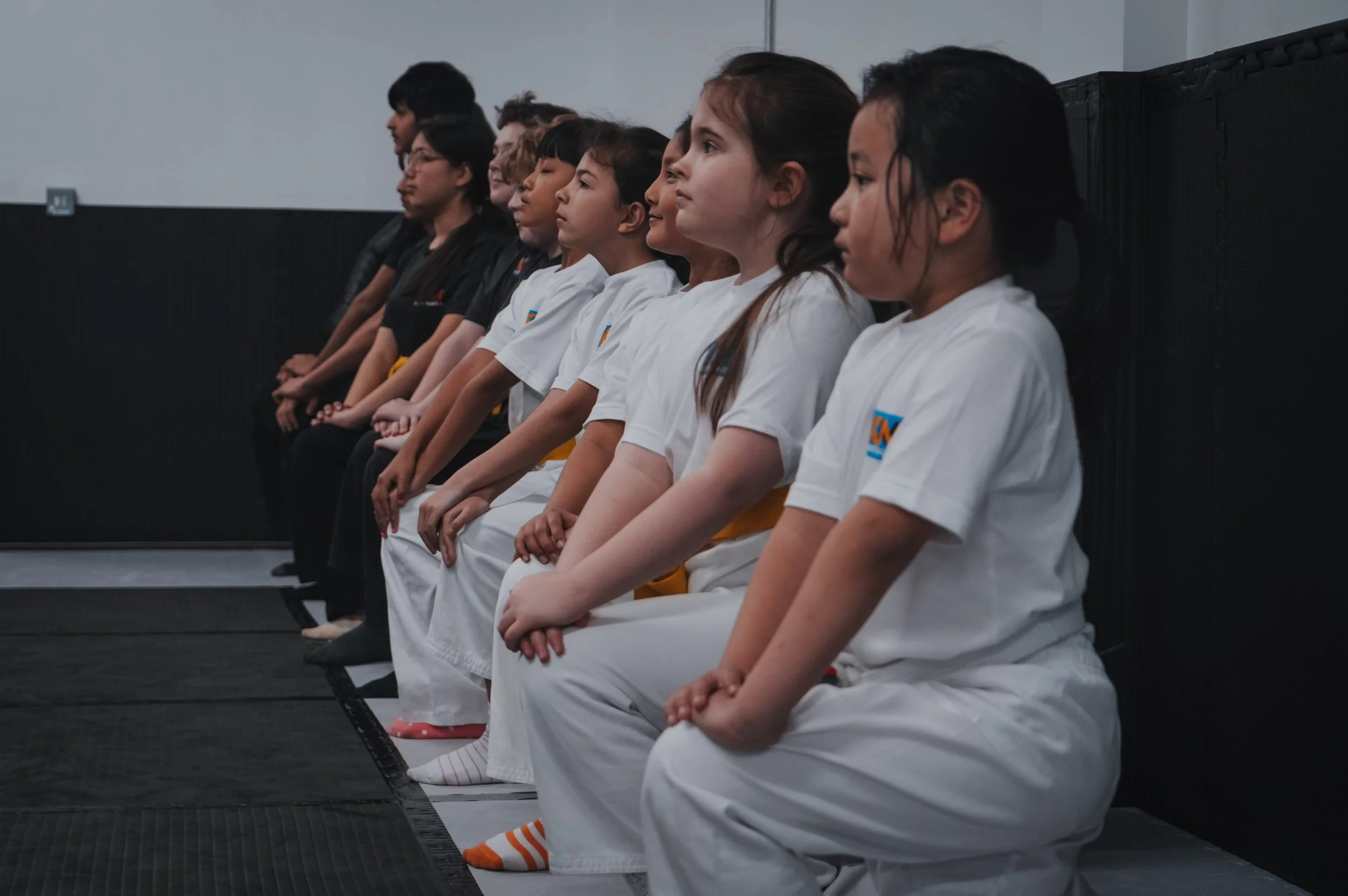
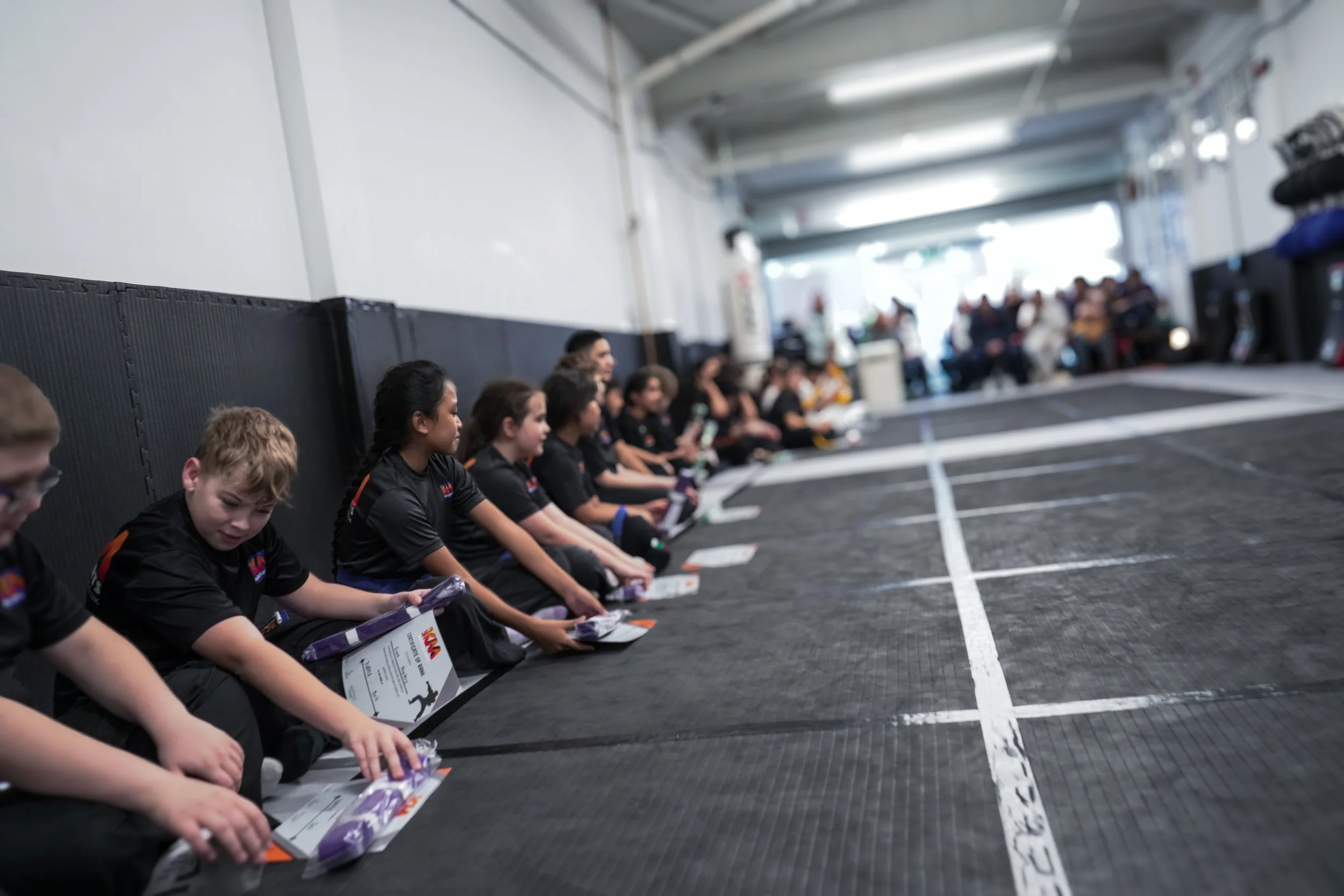
Parents often ask exactly what their child will be able to do differently after joining the programme. While every child progresses at their own pace, our anti-bullying curriculum consistently builds the following core skills:
Situational awareness — noticing potential conflict early and understanding how to avoid or minimise it.
Assertive (not aggressive) communication — using a calm, confident voice and clear language to set boundaries.
Confident body language — standing tall, making eye contact, and projecting calm confidence that can discourage bullying before it starts.
Emotional regulation — staying calm under pressure rather than reacting impulsively out of fear or anger.
Safe physical boundaries — basic, controlled techniques to create space and get to safety, used only as a last resort.
When and how to get help — knowing the difference between handling a situation independently and involving a trusted adult.
These skills are designed to work together, not in isolation. A child who feels genuinely confident rarely needs to rely on physical technique at all — which is exactly the outcome our anti-bullying programme is built to achieve.